Get Cool+
FlagsFlags

Cool Australia acknowledges the traditional custodians of the land on which we live, learn and work, and pays respect to their Elders past and present, and to all Aboriginal and Torres Strait Islander peoples. Cool celebrates the world's oldest living culture and acknowledges that sovereignty was never ceded.

Cool.org
PO Box 1062, Windsor,
Melbourne/Naarm, 3181

Australia Flag
Cool.org operates across Australia, in metro, regional and rural areas.
Cool+ on Instagram - opens in new tabCool+ on Facebook - opens in new tabCool+ on LinkedIn - opens in new tab

Want to find out more?
Drop us a line to find out more:

Donate to Cool!
Help us keep improving our resources.

Donate
About Us
About us
Impact
Contact us
Partners
Donate
Governance
Events
Privacy Policy
Terms and Conditions
Hope Framework
Act Framework
Upgrade to Cool+
Free Teaching Resources
Free Professional Learning
Secondary STEM Professional Learning Plan
Primary STEM Professional Learning Plan
Learning Design Methodology
Subjects
Aboriginal and Torres Strait Islander Histories and Cultures
Biology
English
Geography
Health and Physical Education
History
Humanities and Social Sciences
Learning Through Literature
Learning Through Film
Mathematics
Science
The Arts
Technology
Educators
Early Learning
Primary
Secondary
Parents
Casual Relief Teachers
Years
Foundation
Year 1
Year 2
Year 3
Year 4
Year 5
Year 6
Year 7
Year 8
Year 9
Year 10
Topics
Environmental
Social
Economic
Mental Health
Outdoor learning
Online safety
Biodiversity
Climate Change
Conservation
Energy
Oceans
Recycling
Sustainability
Water
Human Rights
Mindfulness and Meditation
Physical Health
Design Thinking
Financial Literacy
Renewable Energy
Projects
Amy’s Balancing Act
2040 Film
Beyond the Bushfires
Australian Native Animals
Blue: The Film
Blueback Film
Bluey-inspired Resources
Caring for Country
Clean Up Australia Day
Climate Literacy Resources
Cool Burning
Digital Inclusion
Digital Licence+ Education Resources
Disaster Resilience
Diversity and Inclusion
Earth Hour
Embrace Kids
eSafety for Kids
Fast Fashion
Healthy and Safe Relationships Resources
Jump Rope for Heart
LifeChanger
Love Food? Love Bees!
Meaningful Moments
MobileMuster Schools Competition
NAIDOC Week
National Reconciliation Week
National Recycling Week
Net-zero Jobs
Phonics Resources
Poverty and Inequality
Regenerating Australia
Resilient Australia
Science Week Education Resources
School Holiday Resources
Schools Tree Day Resources
Some Happy Day Education Resources
STEM and STEAM Resources
Stop The Coward Punch
SugarByHalf Nutrition Resources
Tackling Racism Through Sport
Take 3 For The Sea
The Final Quarter
The Last Daughter
The Life You Can Save
The Olympic Games Resources
The War on Waste
Trailblazers Education Resources
Toyota Dream Car
Social Emotional Learning Teaching Strategies
Behaviour and Classroom Management Teaching Strategies
Harmony Day Teaching Resources
Literacy Teaching Resources
Deep Time History Resources
Teacher Wellbeing
Superstars of STEM
International Women's Day
Self-Esteem and Confidence
World Mental Health Day
Earth Day Teaching Resources
Neuroscience in Education
Media Literacy and Critical Thinking Teaching Resources
Feature Image

STEM Futures: Understanding Hydropower

SecondaryYear 8MathematicsMeasurementSciencePhysicsTechnologyDesign and TechnologiesEnvironmentalEnergySustainabilityEconomicDesign ThinkingIndustry, Innovation and InfrastructureJob Ready

Go to

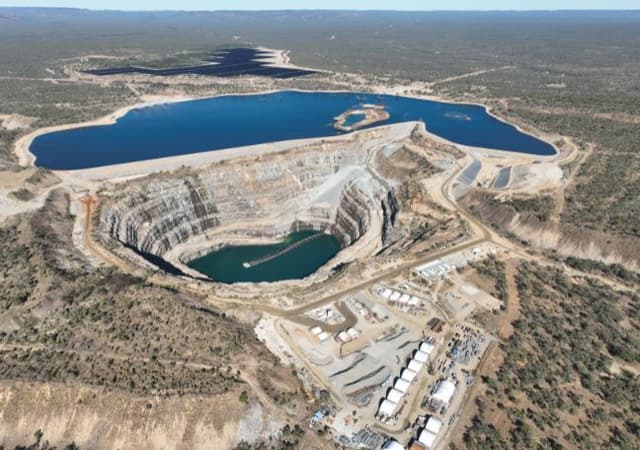
In this interdisciplinary unit, students explore renewable energy, with a focus on pumped hydropower, through Science, Mathematics, and Design and Technology. Throughout the lessons, the Kidston Pumped Hydro renewable project is used as the lens through which students learn about forces, electricity generation, the impacts of renewables, ethical and sustainability considerations, and careers in the clean energy sector.

Developed in partnership with the Queensland Government through Queensland's Clean Energy Workforce Roadmap and alongside industry experts the Clean Energy Council, this unit has been designed to allow students to:

  • investigate the types of energy present in renewable energy sources
  • understand the transfers and transformations taking place in the Kidston pumped hydro and solar project, as well as other renewable energy types
  • explore environmental, social and economic impacts of innovative rehabilitation projects, like the Kidston Pumped Hydro renewable project, which was created from an abandoned mine site
  • explore how electricity is generated from the kinetic energy of water, designing and creating turbines for experimentation
  • learn about the ethical and sustainability factors relevant to professions in the clean energy sector and understand how these jobs respect communities, protect the environment, and promote sustainability.
  • solve problems involving volume, capacity and rates by investigating how the Kidston Pumped Hydro Storage Project operates

The lessons have been designed to empower educators to deliver clean energy content, build students' STEM skills across multiple subjects and increase their awareness of clean energy career opportunities, highlighting connections between STEM knowledge and the renewable energy context.

This STEM Futures: Energy Careers program consists of lessons and resources that highlight projects, people and careers in Queensland through case studies and video content. They are aligned to the Australian Curriculum 9.0 but can be used in various teaching and learning contexts. The program allows students to learn subject-specific knowledge, concepts and skills in the context of real-world Queensland and Australian renewable energy projects and empowers them to understand how their subject knowledge can be applied to careers and industries in this vital sector.

Cool.org recommends that Science, Mathematics and Design and Technologies educators collaborate to deliver these resources across their respective subjects so students can understand the content from multiple perspectives.


Science

Explore energy types, transfers, and transformations through experiments and real-world examples like wind, solar and hydropower, as well as investigate the environmental, social, and economic impacts of utilising abandoned mine sites for renewable projects.

Feature Image
  • Lesson
  • Free
    Energising Communities: Communicating the Science of Renewable Power
    SecondaryYear 8SciencePhysicsEnvironmental
    Feature Image
  • Lesson
  • Free
    Energy Transformations in Action: Exploring Pumped Hydro
    SecondaryYear 8SciencePhysicsEnvironmental
    Feature Image
  • Lesson
  • Free
    Are Gold Mines a Golden Opportunity for Renewables?
    SecondaryYear 8SciencePhysicsEnvironmental

    Design and Technologies

    Design and test model water turbines to understand how kinetic energy is converted into electricity, with a focus on efficiency. They will also explore occupations in the Kidston Renewable Energy Hub, analysing ethical and sustainability responsibilities.

    Feature Image
  • Lesson
  • Free
    Investigating How Turbines Create Electricity
    SecondaryYear 8TechnologyDesign and TechnologiesEnvironmental
    Feature Image
  • Lesson
  • Free
    Ethics and Sustainability in Renewable Energy Careers
    SecondaryYear 8TechnologyDesign and TechnologiesEnvironmental

    Mathematics

    Explore how the Kidston Pumped Hydro Storage project operates through solving problems involving volume, capacity and rates.

    Feature Image
  • Lesson
  • Free
    Volume and Capacity in Renewable Hydropower
    SecondaryYear 8MathematicsMeasurementEconomic

    In this unit

    Science
    Design and TechnologiesMathematics