Get Cool+
FlagsFlags

Cool Australia acknowledges the traditional custodians of the land on which we live, learn and work, and pays respect to their Elders past and present, and to all Aboriginal and Torres Strait Islander peoples. Cool celebrates the world's oldest living culture and acknowledges that sovereignty was never ceded.

Cool.org
PO Box 1062, Windsor,
Melbourne/Naarm, 3181

Australia Flag
Cool.org operates across Australia, in metro, regional and rural areas.
Cool+ on Instagram - opens in new tabCool+ on Facebook - opens in new tabCool+ on LinkedIn - opens in new tab

Want to find out more?
Drop us a line to find out more:

Donate to Cool!
Help us keep improving our resources.

Donate
About Us
About us
Impact
Contact us
Partners
Donate
Governance
Events
Privacy Policy
Terms and Conditions
Hope Framework
Act Framework
Upgrade to Cool+
Free Teaching Resources
Free Professional Learning
Secondary STEM Professional Learning Plan
Primary STEM Professional Learning Plan
Learning Design Methodology
Subjects
Aboriginal and Torres Strait Islander Histories and Cultures
Biology
English
Geography
Health and Physical Education
History
Humanities and Social Sciences
Learning Through Literature
Learning Through Film
Mathematics
Science
The Arts
Technology
Educators
Early Learning
Primary
Secondary
Parents
Casual Relief Teachers
Years
Foundation
Year 1
Year 2
Year 3
Year 4
Year 5
Year 6
Year 7
Year 8
Year 9
Year 10
Topics
Environmental
Social
Economic
Mental Health
Outdoor learning
Online safety
Biodiversity
Climate Change
Conservation
Energy
Oceans
Recycling
Sustainability
Water
Human Rights
Mindfulness and Meditation
Physical Health
Design Thinking
Financial Literacy
Renewable Energy
Projects
Amy’s Balancing Act
2040 Film
Beyond the Bushfires
Australian Native Animals
Blue: The Film
Blueback Film
Bluey-inspired Resources
Caring for Country
Clean Up Australia Day
Climate Literacy Resources
Cool Burning
Digital Inclusion
Digital Licence+ Education Resources
Disaster Resilience
Diversity and Inclusion
Earth Hour
Embrace Kids
eSafety for Kids
Fast Fashion
Healthy and Safe Relationships Resources
Jump Rope for Heart
LifeChanger
Love Food? Love Bees!
Meaningful Moments
MobileMuster Schools Competition
NAIDOC Week
National Reconciliation Week
National Recycling Week
Net-zero Jobs
Phonics Resources
Poverty and Inequality
Regenerating Australia
Resilient Australia
Science Week Education Resources
School Holiday Resources
Schools Tree Day Resources
Some Happy Day Education Resources
STEM and STEAM Resources
Stop The Coward Punch
SugarByHalf Nutrition Resources
Tackling Racism Through Sport
Take 3 For The Sea
The Final Quarter
The Last Daughter
The Life You Can Save
The Olympic Games Resources
The War on Waste
Trailblazers Education Resources
Toyota Dream Car
Social Emotional Learning Teaching Strategies
Behaviour and Classroom Management Teaching Strategies
Harmony Day Teaching Resources
Literacy Teaching Resources
Deep Time History Resources
Teacher Wellbeing
Superstars of STEM
International Women's Day
Self-Esteem and Confidence
World Mental Health Day
Earth Day Teaching Resources
Neuroscience in Education
Media Literacy and Critical Thinking Teaching Resources
Feature Image

Using Infographics to Teach Data in the Secondary Classroom

Cool+SecondaryYear 7 - 12EnglishMathematicsScienceHumanities and Social SciencesHealth and Physical EducationThe ArtsTechnologyLanguagesWork Studies

Go to

Course Summary

You will learn:

Course time:

Accreditation:

Course Content

Getting Started

Getting Started

01.

Introduction

02.

Set some learning goals
About Infographics

About Infographics

03.

Our digital world

04.

Why teach infographics?

05.

Using infographics in the curriculum

Reading Infographics

Reading Infographics

06.

How to read an infographic

07.

Seven types of infographics

08.

List infographics

09.

Comparison infographics

10.

Flowchart infographics

11.

Visual article infographics

12.

Map infographics

13.

Timeline infographics

14.

Data visualisation infographic

15.

Blending infographic types
Creating Infographics

Creating Infographics

16.

Steps to creating an infographic

17.

Step 1 - Decide on your story

18.

Step 2 - Retrieve data and information

19.

Step 3 - Choose type

20.

Step 4 - Design and create

21.

Step 5 - Publish
Your Teaching

Your Teaching

22.

Teaching tips

23.

Cool lesson plans

Reflection

Reflection

24.

Reflection

25.

Taxonomy of learning

26.

Suggestions for collaboration

27.

Congratulations

Course Writers

Instructor 1

Mark Drummond from Cool Australia is your course teacher. He has worked in the education sector for over 11 years as a classroom teacher, Leader of Pedagogy within an Ed-Tech start-up and as an educational consultant. Mark is an absolute science nerd and loves talking about dinosaurs as much as he loves talking about education (which is a lot)!
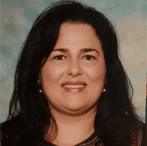
Instructor 2

Sana Hijazi is a specialist Mathematics and Information and Communication Technology (ICT) teacher. She worked in the ICT industry before becoming a classroom teacher. Sana has also been an education consultant for ICT in NSW schools. She facilitates professional development workshops for teachers about how to better integrate ICT into the curriculum. Sana is passionate about innovative professional development that supports teachers to deliver quality education.

Frequently Asked Questions